
Protecting the Vote
For everybody

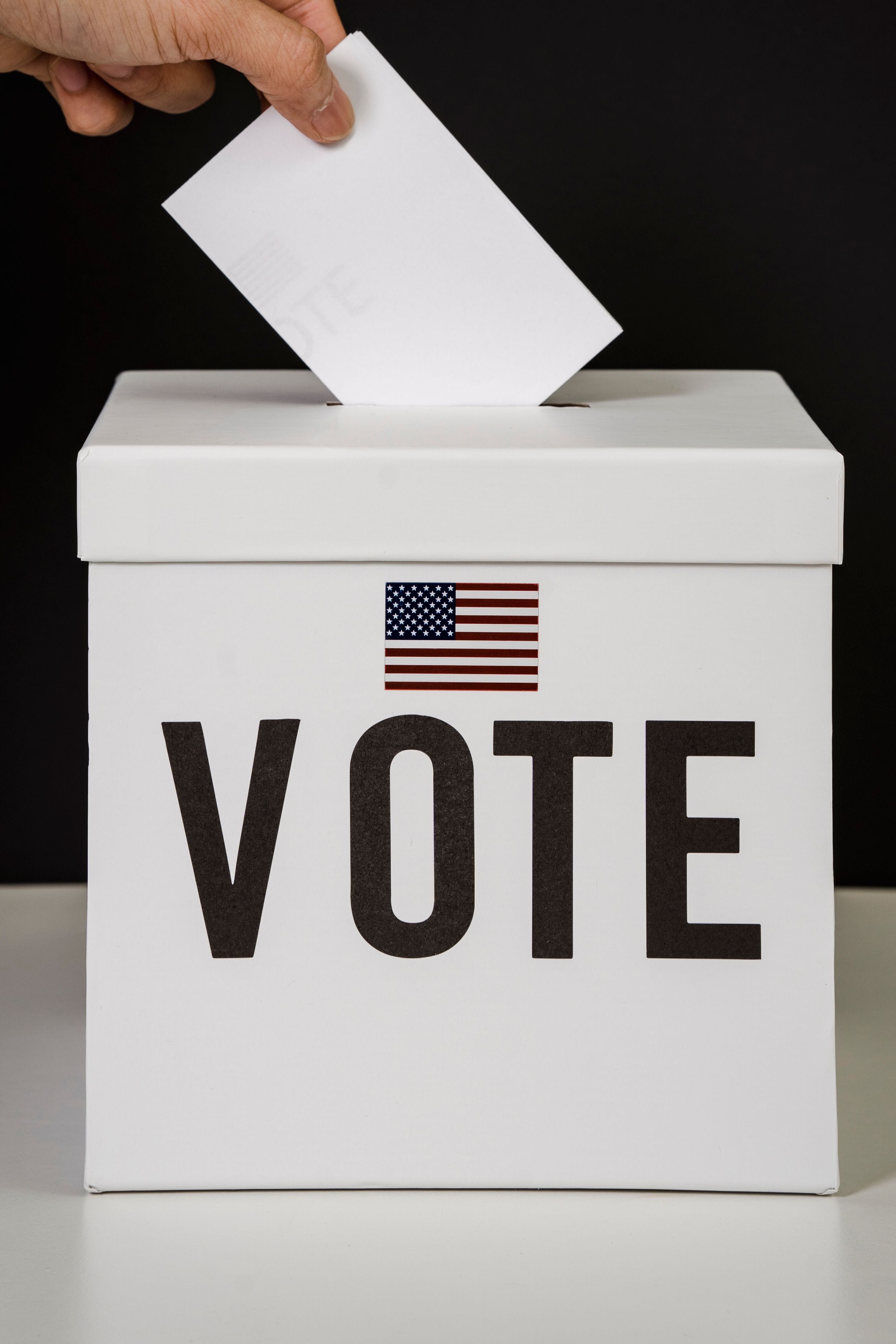
I live in a state friendly to my skin color and my ways of thinking and voting. Not everyone I know in the US is so fortunate or privileged. We’re coming out of a sixty-year period (1965 – 2026) in which protecting the vote was a high priority.
This sixty-year period began with the passage of the 1965 Voting Rights Act (VRA), the culmination of years of effort by civil rights activists and congresspeople like the outstanding John Lewis. During this period, protecting the vote got support from all three branches of government and our populace.
Why the Voting Rights Amendment (VRA) was so important
While the US has been considered a democracy, it has been a conditional democracy, including the participation of some and excluding others. After the Civil War, the 14th Amendment was passed by Congress in 1866 and ratified by the states July 9, 1868, affirming that an individual born within the US was a citizen. Then in 1869, Congress passed the 15th Amendment, which prohibited federal or state governments from denying a citizen the right to vote based on that citizen’s “race, color, or previous condition of servitude”. It was ratified by the states in 1870. How these two amendments passed is a story in itself. Southern states had to ratify the 14th Amendment as a condition for re-entering the Union. (Kristen Clarke observation this week in NEA Webinar) Four states were similarly pressured to ratify the 15th.
The 15th Amendment greatly expanded the right to vote to many men who had been legally barred from voting before. How ever it did nothing to guarantee the voting rights of women or indigenous people.
The 19th Amendment made it illegal to deny the right to vote to any citizen based on sex. It was first introduced to Congress in 1878 and finally ratified in 1920. As Rock the Vote points out, on paper it protected the vote for all women. Yet in practice, only white women got the right to vote. Women of color continued to face discrimination for another 45 years, until the passage of the 1965 VRA.
As the Native American Rights Fund observes, voting rights include being able to:
1. Register to vote
2. Cast a vote
3. Have one’s vote counted.
Protecting the vote encompasses all three of these steps for all citizens.
Native Americans did not win the right to vote until 1948, appallingly. And they still face barriers in all three categories. The Native American Voting Rights Act still waits passage as does the John R. Lewis Voting Rights Advancement Act, to restore the rights guaranteed in the VRA. Where do your congresspeople stand on these voting rights acts? I’m glad to say our New Mexico senator Ben Ray Lujan is a proud sponsor of both of these bills.
The original VRA passed in 1965 with the support of President Lyndon B. Johnson, in the face of continuing discrimination against voters, especially in the South. He himself was a southerner. He urged Congress to pass legislation which will make it impossible to thwart the 15th Amendment, pointing out, we cannot have government for all the people until we first make certain it is government of and by all the people.
The VRA was effective in protecting the vote for more citizens than ever before, and it was upheld for sixty years.
This ended with Louisiana v. Callais last month
The Supreme Court’s decision in Louisiana v Callais (Cal-LAY) gutted Section II of the 1965 Voting Rights Act, wiping out hard-won protections. Now, as General Counsel Kristen Clarke of the NAACP points out, lawyers arguing in favor of voting rights can’t even refer to the VRA, as has been customary in SCOTUS cases for decades. Instead, they have to refer all the way back to the 14th and 15th Amendments of the 1800s, legal moves that were huge steps for their times yet ones that did not and do not adequately protect the voting rights of many people, including women of color. Women of color been able to vote for the last 60 years primarily thanks to the VRA and active enforcement and respect for it. Now this is gone.
The stakes are clear
In order to have a voice in what’s going on, one needs a vote. In order to have a vote, one needs to be a citizen. The current administration has intense stakes in suppressing the vote. If it was confident in its majority status as a way to hold on to power, it would not be doing everything imaginable to reduce the number of votes against its agenda. There would be no need, if its agenda was truly popular. It is not.
Consequently, the administration is pushing a myriad of strategies to suppress voting: making vote-by-mail less reliable, complex voter ID requirements in the SAVE Act , and encouraging the swift gerrymandering of voter districts in unprecedented ways since Louisiana v Callais.
This week the president refused to sign into law a popular bipartisan housing bill unless the SAVE Act, with its basket of voter suppression tactics, passes first. The housing bill was designed to address more affordable housing, both for new buyers and renters. It took months of negotiation to develop. One bright light, it passed Congress by such wide margins in both houses that there is a good chance it can be passed ultimately even without the president’s signature. Yet holding on to control seems to have much higher precedence with this administration than benefitting the populace.
How to protect the vote
Danielle Davis of the National Education Alliance articulated their strategy simply this week:
Plan to vote
Promote the vote
Protect the vote
Plan to vote: my 96-year-old mom has voted in person in every election up until this year. She can’t walk that far into the polls any more. We’ll need to be sure she has a mail-in ballot, and keep apprised of whether we can still drop it in special ballot boxes here in New Mexico. Have your plans to vote changed based on local or national conditions?
Promote the vote: NEA is reaching out to 16, 17, and 18 year old people, inviting them to consider the stakes, with information. How would you promote the vote in your area? As Rachel Rossi of Alliance for Justice said this week, We need members of every community to work toward justice in America.
Protect the vote: supporting legislation to protect the vote, volunteering, getting more educated about what other voters may be facing, checking whether your state offers paper trails for ballots, connecting with organizations that protect voting rights like the League of Women Voters, the NAACP, ACLU (Helen Keller was a founder - her birthday’s this weekend), Sunrise Movement, the Carter Center, League of United Latin American Citizens, Common Cause, to name just a few of the positive responses happening.
Image: VOTE much thanks to Sora Shimazaki on Pexels
Bio: I’m a writer, Ayurveda health educator and Polarity Therapist practicing in Santa Fe, NM. My most recent seasonal cookbook Easy Healing Drinks from the Wisdom of Ayurveda is on special here.